
Set out from the eye line, not the corner · All 32 London boroughs
Tiling in London
Wall and floor tiling, wet rooms, tanking, large-format and natural stone.
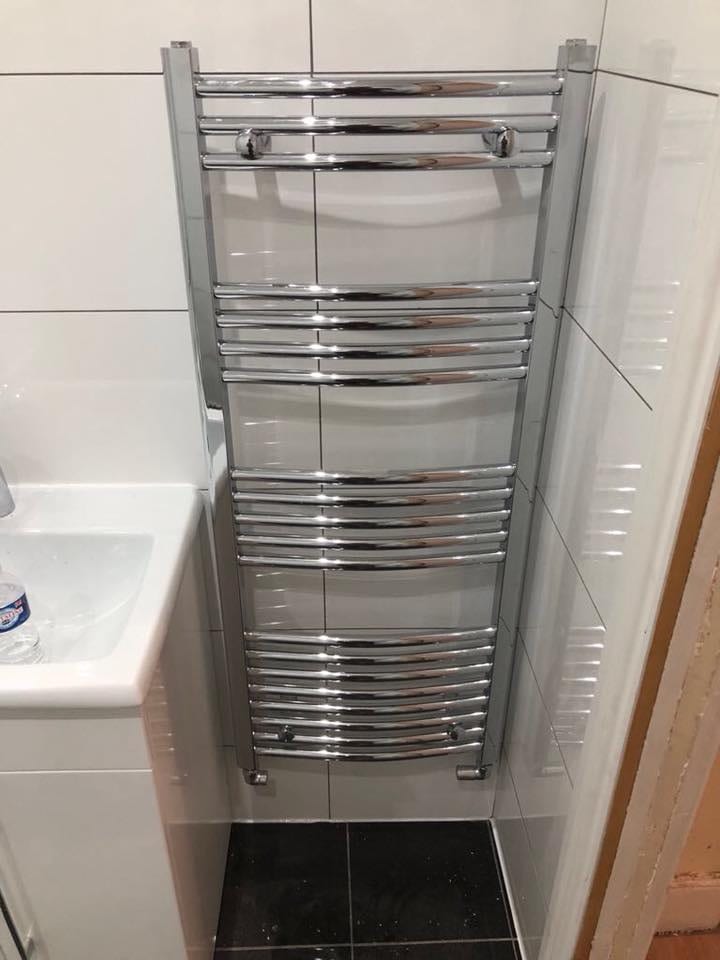
Bathroom, tiled
Tiled bathroom with chrome towel radiator and bathWhat we do
Good tiling is set out before the first tile goes down — from the eye line and the focal wall, so cuts land where nobody looks. We tank wet areas properly, because a wet room that leaks takes the ceiling below with it.
Included as standard
- Wall and floor tiling in ceramic and porcelain
- Large-format and natural stone
- Wet room tanking and waterproofing
- Underfloor heating over-tiling
- Levelling, screeding and substrate preparation
- Grouting, sealing and silicone finishing
- Typical timescale
- 2–6 days per room
- Coverage
- 32 boroughs
- Payment
- In arrears
- Trading since
- 2008
Substrates, tanking and movement
Tiling is only ever as good as what it is stuck to. Substrates must be flat, rigid and dry, and floors need enough stiffness that deflection does not crack the grout lines. Timber floors are usually overboarded or replaced with a cementitious board before tiling.
Wet areas need tanking. Tiles and grout are not waterproof — the tanking membrane behind them is, and in a wet room it is the single component standing between the shower and the ceiling below.
Movement joints are required at defined intervals across large tiled areas and at every change of plane and abutment. Omitting them is the usual reason a large tiled floor eventually lifts or cracks along a line.
Setting out is decided before the first tile is fixed: from the eye line and the focal wall, so that cut tiles land where nobody looks and full tiles land where everybody does.
The limits above are the national permitted-development rules for England. Your borough may restrict them further through a conservation area or an Article 4 direction — we confirm the position for your address in writing before quoting.
Our work
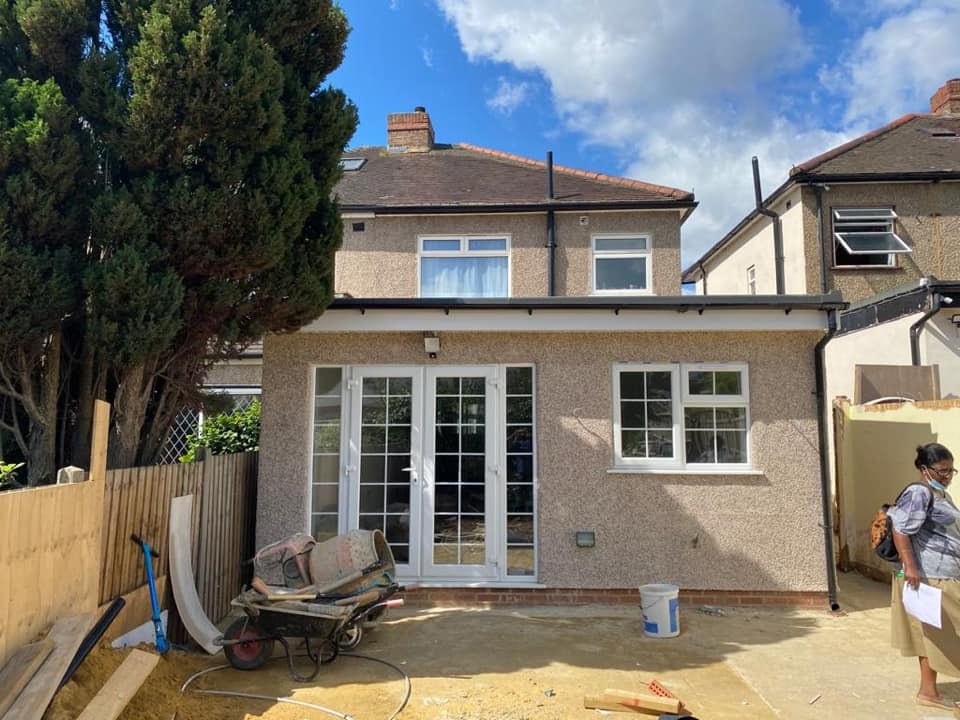
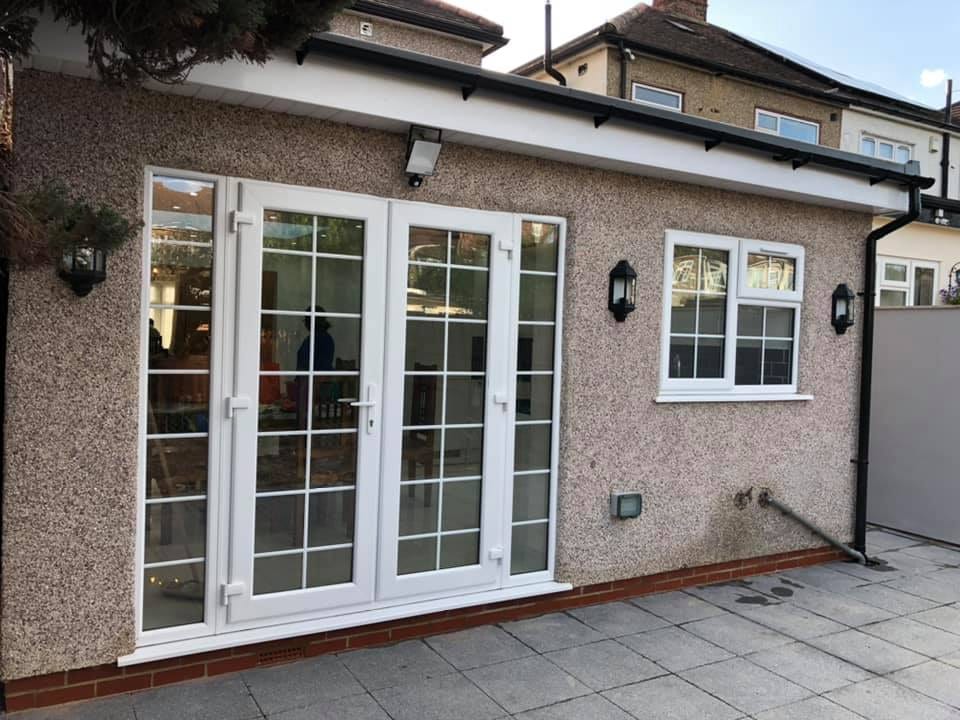
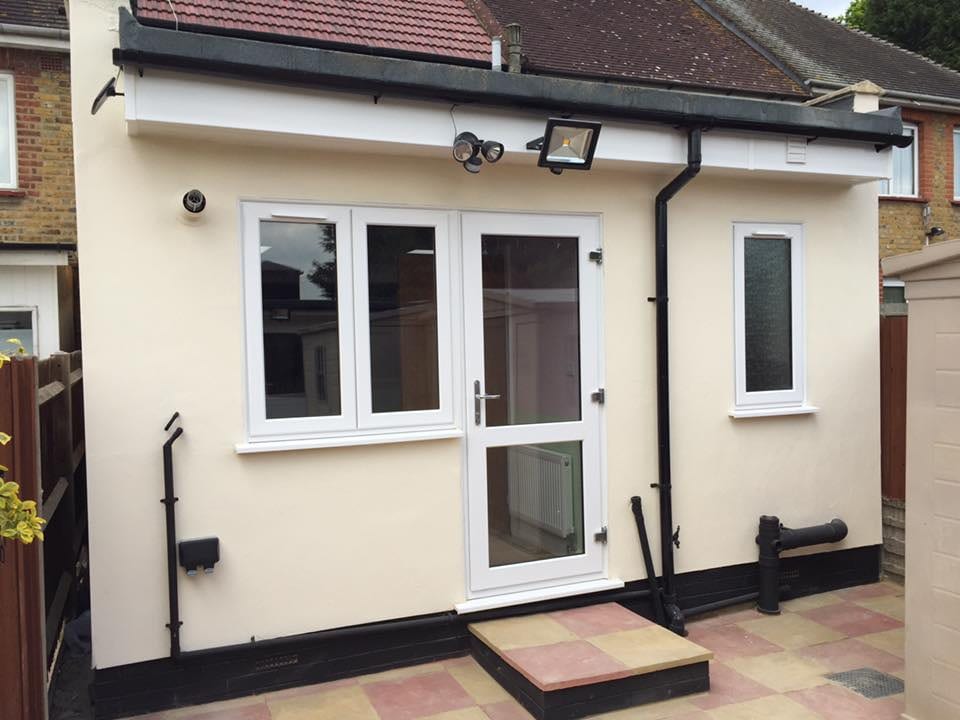
Tiling we have completed
Answers
Tiling — common questions
Do I need planning permission for tiling in London?
It depends on the property type and what is proposed. Many single-storey rear extensions and loft conversions fall under permitted development, but those rights do not apply to flats and are restricted in conservation areas or where an Article 4 direction applies. We check the planning position for your specific address before quoting, and tell you in writing which route applies.
How do you price the work?
From a site survey, written up as a fixed and itemised scope before any deposit is discussed. If something genuinely unforeseen appears once work is opened up, it is priced and agreed in writing before we continue — never added to the final invoice after the fact.
When do I pay?
In arrears of work completed. You pay for work that has been done and inspected, not for work that has been promised. This has been how the company operates since 2008.
Do you handle Party Wall notices?
Yes, where the work requires them. Under the Party Wall etc. Act 1996, notifiable work on a shared wall needs 2 months written notice to the adjoining owner, while excavation near a neighbouring structure and building at the line of junction need 1 month. We serve the notices and manage the award process as part of the job.
Will I get certificates at the end?
Yes. Electrical work is tested and certificated under Part P, and building control issues a completion certificate where an application was required. You receive the handover pack — it is what a buyer's solicitor will ask for when you eventually sell.
How long will it take?
It depends entirely on scope, and we give a programme with the written quote rather than a guess on the phone. What we will not do is start a job we cannot resource, which is the usual reason a build stalls halfway through.
By area
Tiling across London
Also from us
Related trades
Looking for something else? See all 19 services or browse by borough.
Skip the forms
Get a price for your tiling
A picture and a postcode tells us more than any enquiry form. You will get a straight answer about cost and whether it needs planning permission.